A-Frame Houses
Dec 19, 2025
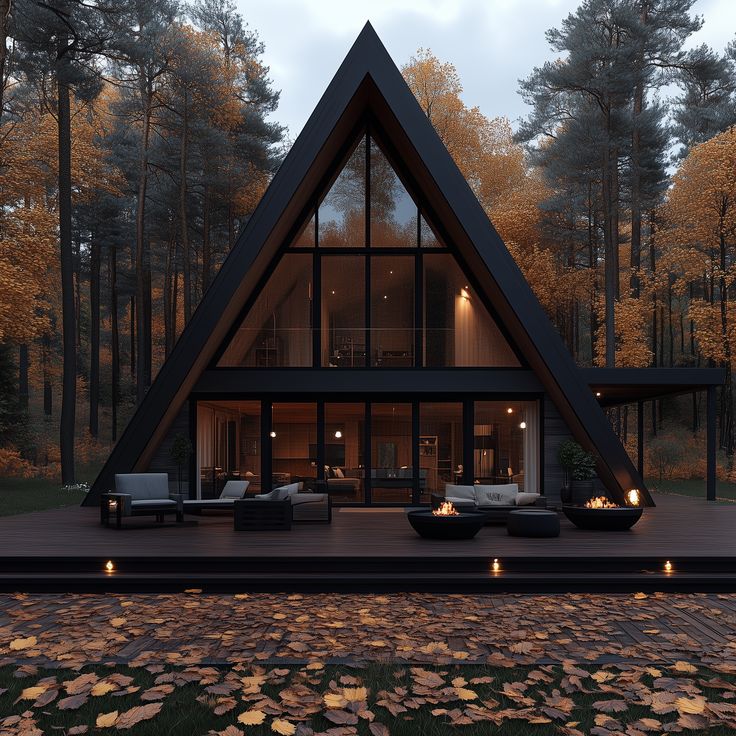
A-Frame Houses: what they are, how they’re made, materials used, and their future in Morocco What are A-frame houses and why are they unique
A-frame houses are distinctive triangular homes shaped like the letter A, with steep sloping sides that form both the roof and the main structure. This design creates tall, open interiors and large gable windows that bring in natural light and offer a strong connection to the surrounding landscape.
Their simplicity, efficiency, and timeless look have made them popular choices for both vacation cabins and modern residences. How are A-frame houses constructed from the ground up
The construction process begins with a simple foundation, usually a concrete slab or piers. Builders then raise paired rafters or prefabricated triangular panels that meet at the top to create the A shape. These panels or beams form the main structure of the house. Once the frame is installed, the roof, exterior cladding, windows, insulation, and interior finishes are added, resulting in a strong and weather-resistant building.
What materials are typically used to build an A-frame house A-frames are often built with strong and durable materials such as timber, engineered wood, or sometimes steel for extra support. The exterior is usually covered with weather-resistant siding or metal roofing that easily sheds rain. Inside, large insulated windows fill the gable ends, while insulation materials like mineral wool, fiberglass, or spray foam help maintain comfortable temperatures. Wood finishes are common to enhance the warm and natural look.
What advantages and challenges come with this type of design The A-frame structure is incredibly efficient because its steep roof protects the home from rain, wind, and snow while reducing construction complexity. The interior feels open and bright thanks to high ceilings and wide windows. However, the sloped walls reduce usable space on the sides of the house, and large glass fronts can cause heat gain or loss if not properly insulated. With good design choices, these challenges can be easily managed.
How can A-frame houses be adapted for Morocco’s climate In coastal cities like Essaouira, A-frames can take advantage of natural ventilation and ocean breezes by using wide windows and strategic shading. In warmer inland regions such as Marrakech, builders can reduce the amount of direct sunlight by limiting large south-facing glass surfaces, improving insulation, and adding passive cooling features.
Using local materials helps reduce costs while making the homes more resistant to heat, wind, and humidity depending on the region. Why are A-frame houses gaining potential in Morocco’s future housing market Morocco is seeing rising interest in sustainable construction, eco-friendly tourism, and faster building methods.
A-frame houses fit perfectly into these trends because they are affordable, easy to build, and ideal for rental properties such as eco-lodges or Airbnb cabins. As prefab construction continues to grow in the country, A-frames could become a strong option for both tourism investments and modern residential living.